Advanced Technical Coatings:Advancing Strength – Explore Quenching Techniques
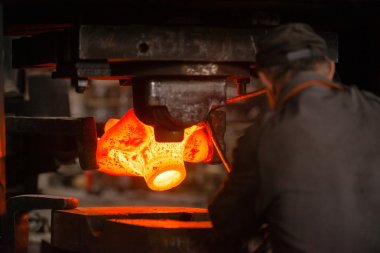
In the Wikipedia article “Quenching,” the process of quenching, a vital aspect of heat treating in materials science, is discussed in detail. Specializing in employing quenching techniques to rapidly cool workpieces and achieve desired material properties, expertise in this area is a focus.
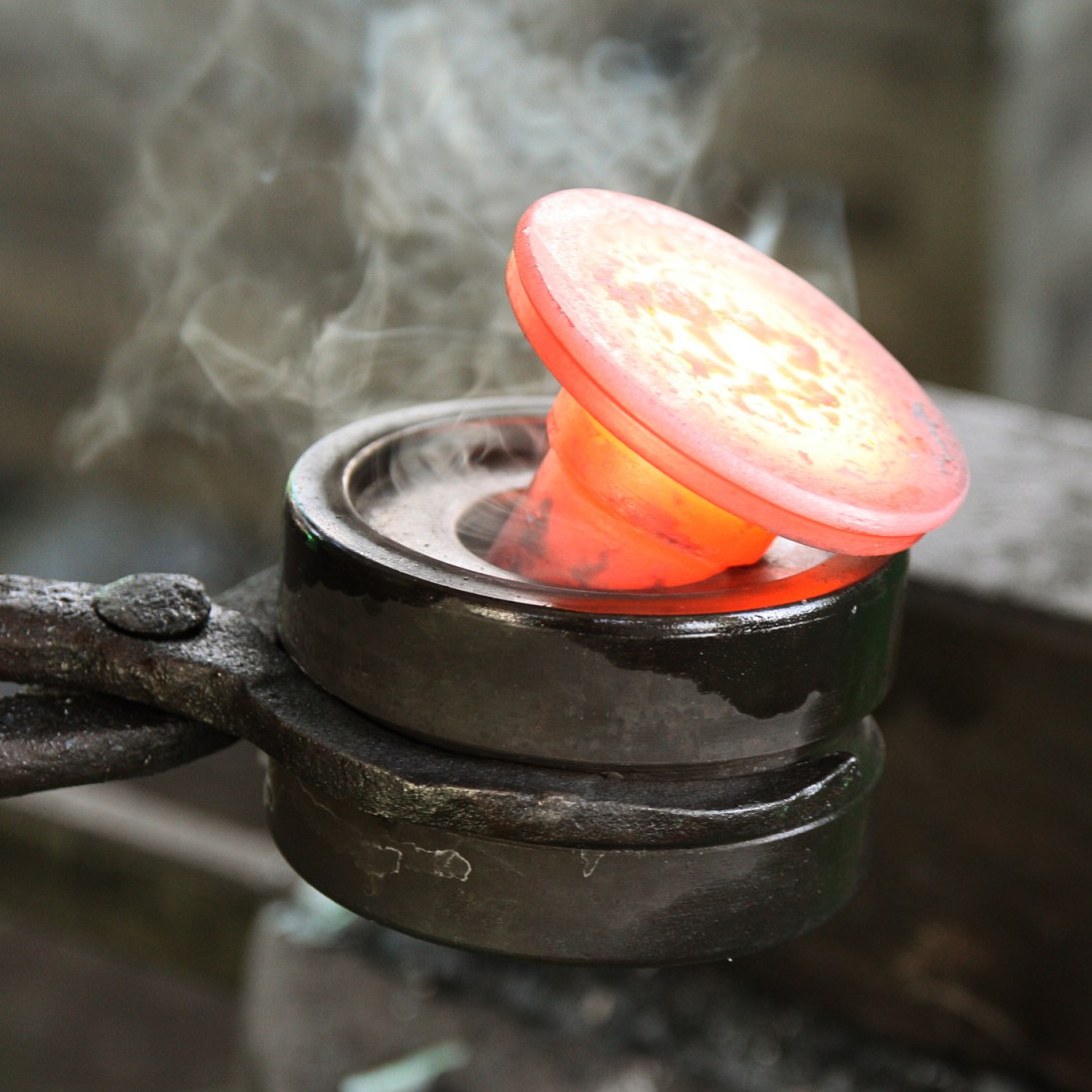
Quenching involves the rapid cooling of a workpiece using various fluids such as water, gas, oil, or air to obtain specific material properties. By preventing undesired low-temperature processes, such as phase transformations, quenching enhances material hardness and strength. For instance, in metallurgy, quenching is commonly used to harden steel by inducing a martensite transformation, thereby increasing its hardness.
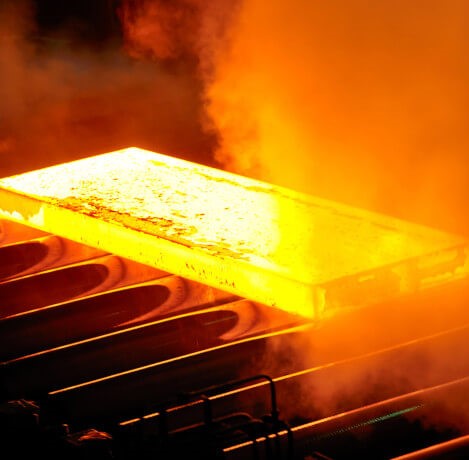
Utilizing quenching to strengthen and harden steel and cast iron alloys, this mechanical process involves heating the material to a specific temperature and then rapidly cooling it to produce a harder material. Depending on the cooling rate, quench hardening can either surface harden or through-harden the material. Subsequently, tempering may be performed to reduce brittleness.
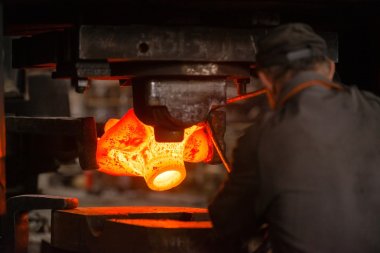
Quenching is essential for enhancing the mechanical properties of various components, including gears, shafts, and wear blocks. Expertise in quenching processes ensures the optimal performance and durability of these components across diverse applications.
Consult us now
We will carefully review every question you feedback and give you an answer as soon as possible. Here you can ask any questions you encounter, or you can post your own suggestions and ideas.