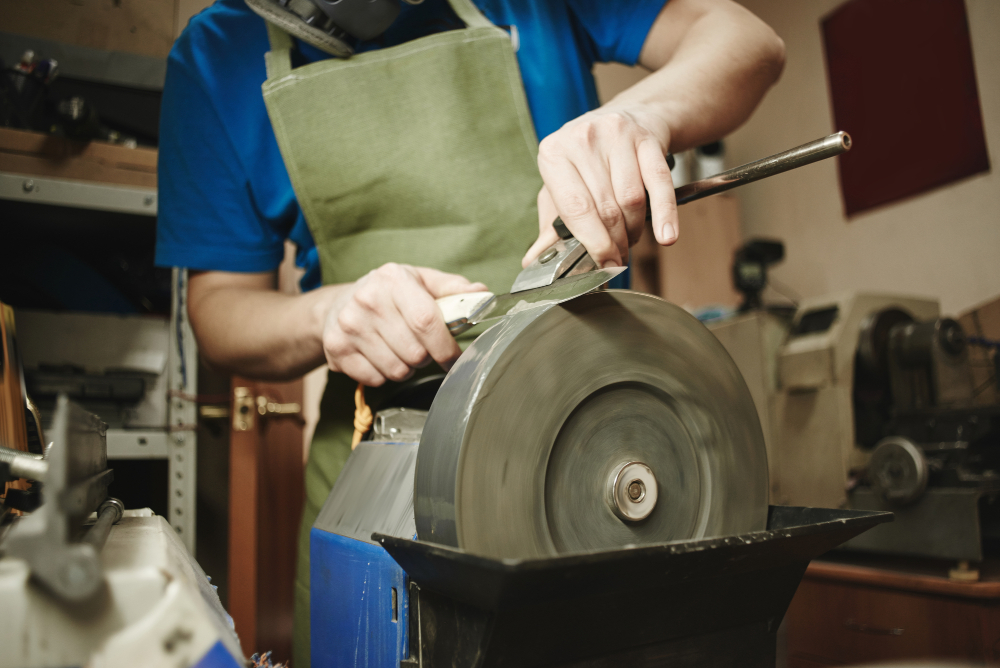
Elevating Metal Resilience A Deep Dive into Hardening Treatments
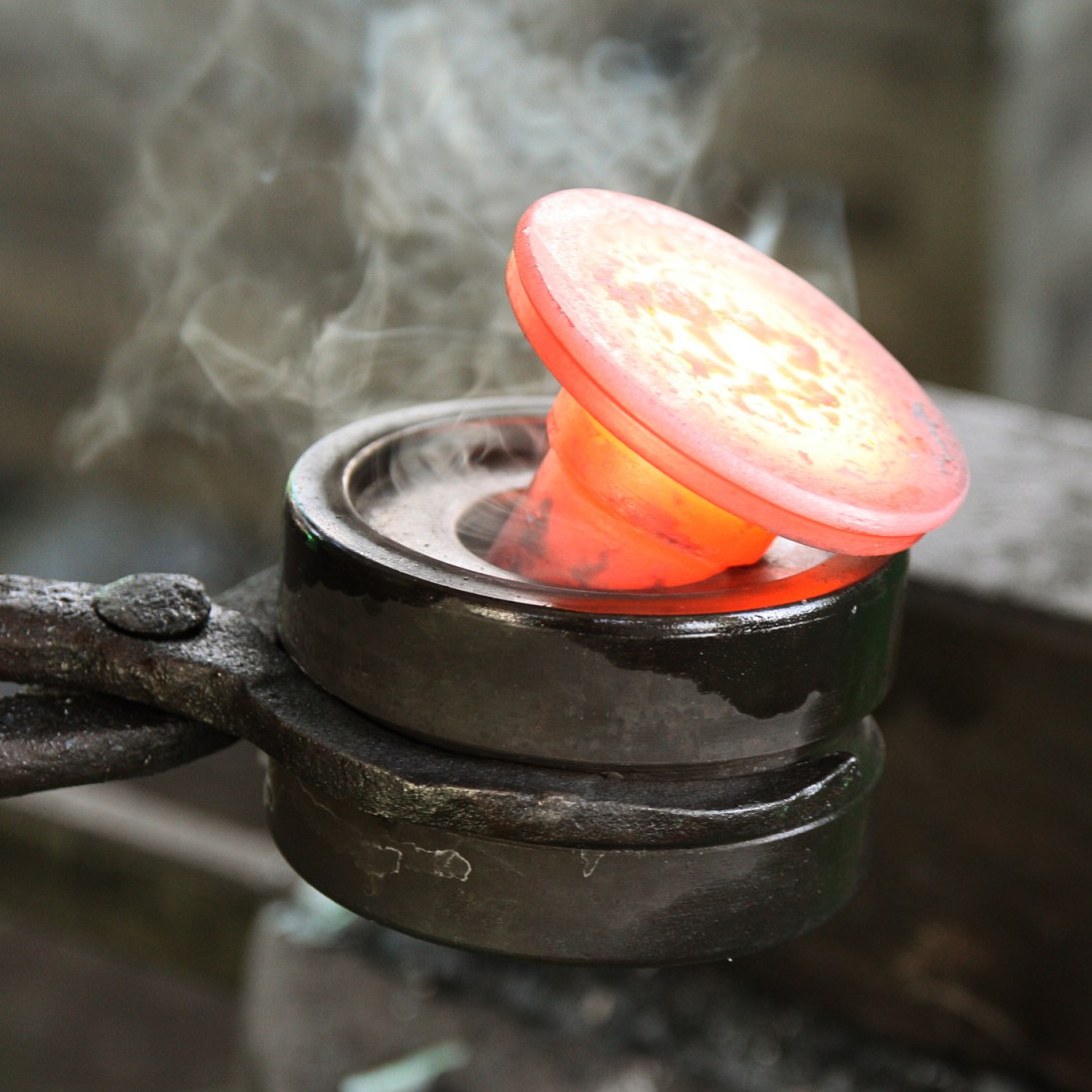
As elucidated in Britannica’s article “Hardening treatments,” hardening heat treatments are pivotal in metallurgy, transforming metals for enhanced strength and durability. Delves into the intricate processes involved in solid-solution hardening and precipitation hardening to achieve superior material properties.
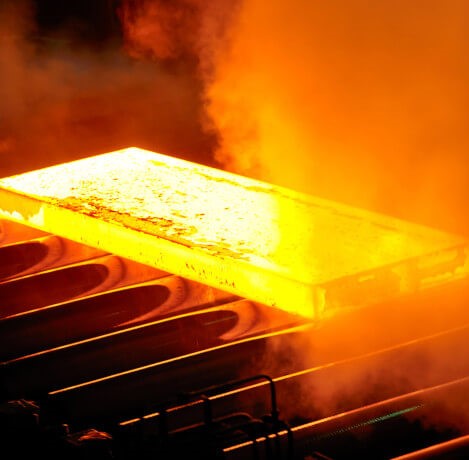
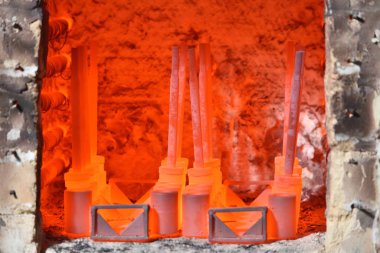
Solid-solution hardening begins with heating metals to dissolve solute-rich precipitates, followed by rapid cooling to prevent reprecipitation. Aging at elevated temperatures refines the microstructure, further enhancing hardness and ductility. Precipitation hardening, commonly employed in high-strength alloys, relies on aging to form a fine precipitate, maximizing strength.
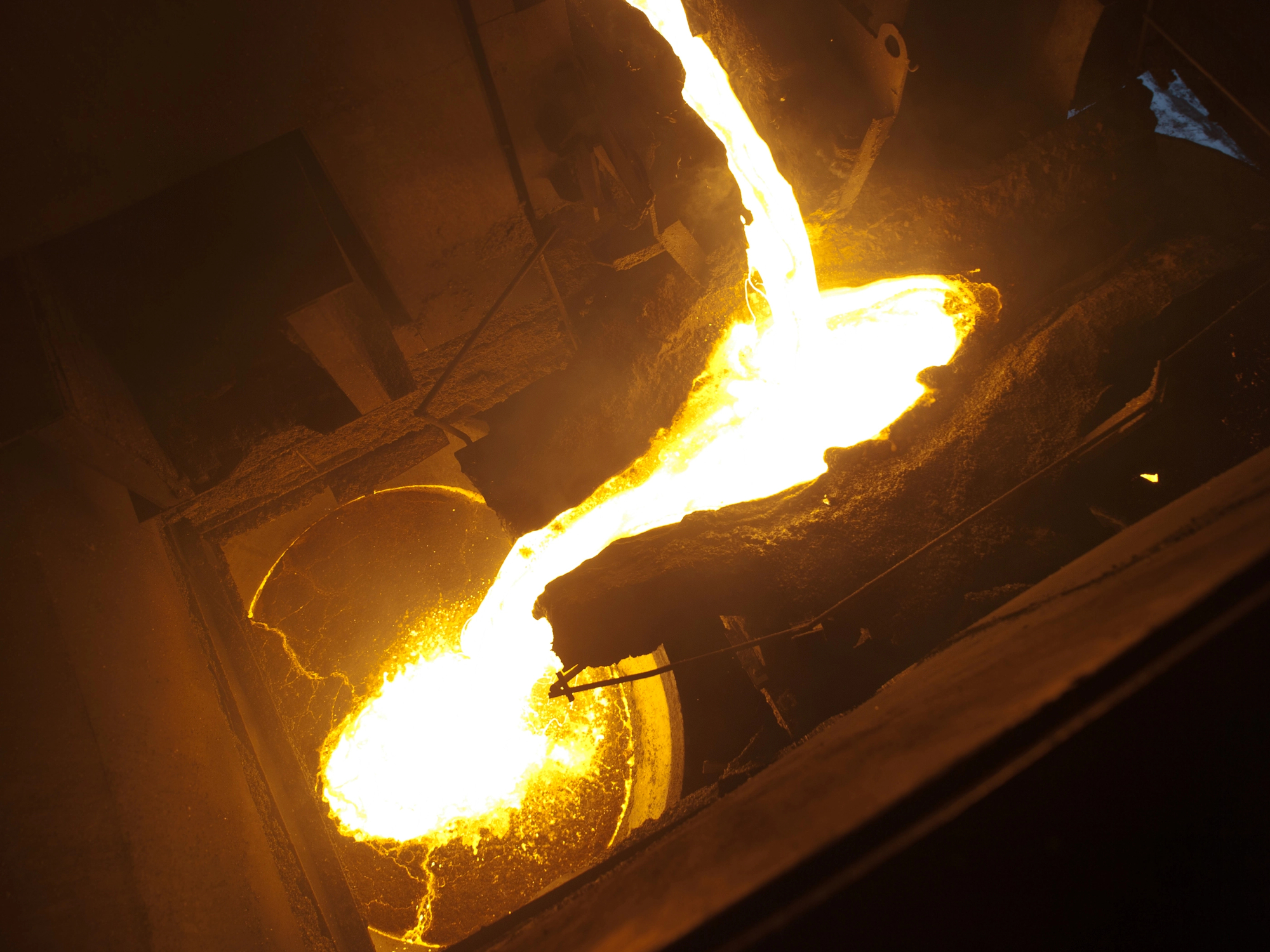
Certain metals like iron and titanium alloys undergo phase transformations at high temperatures, influencing solubility and precipitate formation. Slow cooling induces coarse precipitates, while rapid quenching yields fine precipitates, as seen in hardening iron-carbon alloys. Employing innovative techniques to optimize these processes, ensuring the production of robust alloys.
Moreover, tempering post-hardening alleviates residual stresses, coarsens precipitates, and enhances toughness, catering to diverse application requirements. Whether prioritizing strength or toughness.
Consult us now
We will carefully review every question you feedback and give you an answer as soon as possible. Here you can ask any questions you encounter, or you can post your own suggestions and ideas.